Neurodiversity-Affirming Therapy

Collaborative support for neurodivergent people exploring identity, relationships, daily needs, and what helps life feel more workable.

Headphones, a notebook, pens, and a mug on a wooden desk.

Overview

Understanding your needs without erasing who you are

You may have spent years trying to fit expectations that do not work well for you. You may be exploring an autism or ADHD diagnosis, recognizing patterns later in life, or looking for a therapist who will take your sensory, communication, and support needs seriously.

Neurodiversity-affirming therapy makes room for differences rather than treating conformity as the goal. Together, you and your clinician can explore what is difficult, what already helps, and what changes would support your well-being. You do not have to hide parts of yourself to deserve care.

A conversation can help you find a starting point.

Tell us what you are looking for and ask about clinician fit, availability, and the format that works for you.

Request a consultation

When might this support be helpful?

  • You are exploring what a diagnosis or new understanding of yourself means to you.
  • Masking, social demands, or daily expectations leave you feeling depleted.
  • You want support with relationships, communication, boundaries, or self-advocacy.
  • You are looking for a therapist who will collaborate around your individual needs.

What to expect

What this work can support.

Identity and self-understanding

Explore strengths, needs, grief, relief, and questions that may come with recognizing your own patterns or receiving a diagnosis.

Energy, demands, and daily life

Talk through overwhelm and expectations, and identify realistic ways to make routines and support fit your life.

Connection without constant masking

Make room for communication preferences, relationship needs, and boundaries without assuming there is only one right way to connect.

A grounded start.

  1. 01

    Share what brings you here

    Describe what you want help with and any questions about fit, access, or the therapy process.

  2. 02

    Discuss the right support

    Consider clinician experience, availability, and whether this service fits your needs. Referrals may be discussed when another kind of care would be more appropriate.

  3. 03

    Set a collaborative pace

    If you begin therapy, work together on goals, preferences, and a pace that makes room for your experience.

Your care team

Clinicians whose work includes this area.

These profiles describe relevant areas of focus. Contact the practice to discuss fit and current availability.

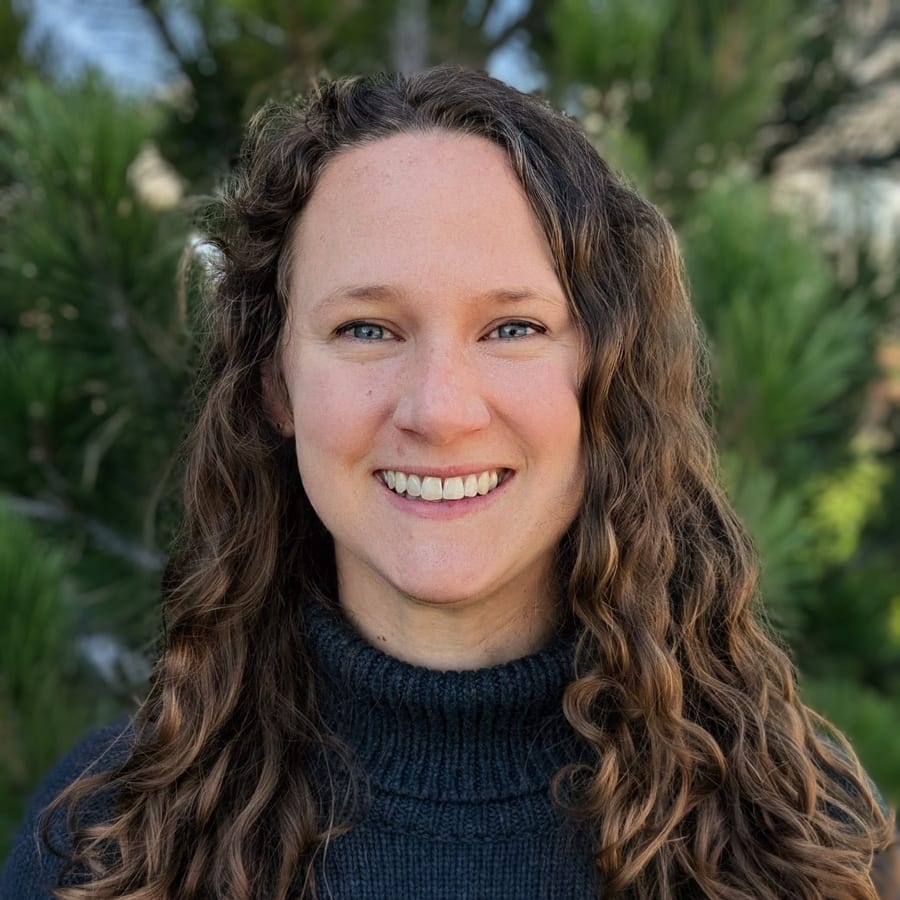
Portrait of Fenton Lawler

Therapist

Fenton Lawler · LSW

Capitol HillArvadaTelehealth

Fenton supports children and adults navigating complex trauma, anxiety, depression, and relational stress with a warm, collaborative approach that affirms neurodiversity and recognizes the impact of trauma.

Works with children and adults

  • Complex trauma
  • Suicidal thoughts
  • Anxiety
  • Depression
  • Relational stress
  • Neurodiversity

Hi, I’m Fenton! I’m a trauma and neurodiversity-affirming therapist for adults and kids navigating complex trauma, suicidal thoughts, anxiety, depression, and relational stress. I’m especially passionate about working with autistic and ADHD folks and the LGBTQIA+ community.

With my background in mental health crisis work, I am comfortable sitting with you in the hard moments. I won’t ask you to mask or minimize what you’re experiencing. My style is warm, collaborative, and grounded in validation, honesty, and humor. My goal is to help you build a meaningful life and be present with you in moments that feel like no one else could.

My work draws primarily from DBT, IFS, somatic work, and existential therapy. We might explore your thoughts and emotions, notice what’s happening in your body, or understand the different parts of you that are trying to protect you. Before becoming a therapist, I worked as an electrical engineer. That background still shapes how I work: I’m curious about why your patterns developed and how your relational, cultural, and developmental history has shaped you.

I offer in-person therapy in Arvada and Denver, as well as telehealth across Colorado. Reach out for a 20-minute consultation to see whether we might be a good fit.


Portrait of Lily Shapcott

Therapist

Lily Shapcott · LPCC

Telehealth onlyWaitlist

Lily works with complex trauma, LGBTQIA+ clients, medical complexity or disability, challenging family dynamics, and late-diagnosed neurodiversity.

  • Complex trauma
  • LGBTQIA+
  • Neurodiversity

Have you suffered trauma(s) throughout your life? Do you feel like you are living in a state of constant stress? Did you have a strained family dynamic? I work with complex trauma, LGBTQIA+, medical complexity/disability, and individuals dealing with challenging family dynamics to heal from chronic freeze or fawn states so that they can experience the full spectrum of their emotions and discover their purpose and meaning after Adverse Childhood Experiences (ACEs) and other traumas.

I also work with neurodiversity, and adults who are late diagnosed to help them best understand the brain they have, and how they can work with it as it currently exists.

Hi, I’m Lily. I graduated with my MA in counseling psychology from the University of Denver, and am an LPCC in Colorado. My passion lies in accessible therapy and helping clients embrace the brain and body they have. As a relational psychodynamic therapist, I believe that the relationship between myself and my client is the most important component of therapeutic success.

With a foundation of solid rapport, I provide the space for trauma processing, establishing values, creating and implementing coping strategies, and engaging with the full range of your emotions to find purpose and meaning in the life you have.

I believe in treating the problem and the symptoms. I am dedicated to helping you heal and grow into your authentic and healthy self, regardless of what you have experienced in the past. You deserve to live the life you want and have the life you need.

Portrait of Megan Pavez

Therapist

Megan Pavez · LPCC

ArvadaTelehealthWaitlist

Megan works from a person-centered foundation and supports LGBTQIA+ clients, people with marginalized identities, geriatric mental health, neurodiversity, life transitions, and trauma triggers.

Works with teens and adults

  • LGBTQIA+ support
  • Life transitions
  • Trauma
  • Geriatric mental health
  • Neurodiversity

Hello. I’m a Licensed Professional Counselor Candidate (LPCC) with my MA degree in Counseling Psychology from the University of Denver. I primarily work through a person-centered approach, as I believe the client/counselor relationship is one of the most foundational aspects of the therapeutic process.

I also have experience incorporating CBT, DBT, ACT, mindfulness based interventions, Internal Family Systems, and attachment theory.

I am passionate about working with LGBTQIA+ individuals and others with marginalized identities. I enjoy working with individuals throughout life’s many transitions, whether discovering new identities, job shifts, family or relationship structure changes, retirement and beyond. I am also committed to helping clients work through trauma and its triggers to decrease the impact on their daily lives.

Questions about Neurodiversity-Affirming Therapy.

Do I need a formal diagnosis to seek therapy?

You can reach out while exploring your experience. A consultation can help clarify your goals and whether counseling with a particular clinician is a good fit.

Does this page offer autism or ADHD assessments?

This page describes counseling support, not a diagnostic testing service. If you are seeking an assessment, tell the practice so it can clarify available services or discuss appropriate referral options.

Do your clinicians work with children or adults?

Age ranges vary by clinician. Fenton’s profile describes work with children and adults, while Lily’s neurodiversity work includes adults who are late diagnosed. Ask the practice about the best match for the person seeking care.

Can I discuss sensory or communication preferences?

Yes. Tell your clinician what helps you participate comfortably, including pacing, directness, breaks, or environmental concerns. Discuss what can be accommodated in the selected setting before starting.

Talk with us about getting support.

Share what you would like support with, any access needs, and whether you prefer Denver, Arvada, or telehealth.