LGBTQIA+ Affirming Therapy

A place to feel seen, explore what matters, and get support without having to explain or defend who you are.

People gathered outdoors raising rainbow Pride flags together against a blue sky.

Overview

Therapy that makes room for all of you

Your identity is part of your story, not a problem to solve. LGBTQIA+ affirming therapy welcomes lesbian, gay, bisexual, transgender, queer, questioning, intersex, asexual, and other LGBTQIA+ clients with respect for your name, pronouns, relationships, and lived experience.

You may want space to explore identity, navigate family expectations, or process discrimination. You may also simply want an affirming therapist to help with anxiety, grief, relationships, or the demands of everyday life. Together, you and your clinician decide what belongs in the conversation.

A conversation is a place to start.

You can ask questions and talk through what you are looking for before deciding on next steps.

Request a consultation

When might this support be a good fit?

  • You want a therapist who respects your identity and relationships.
  • You are exploring gender, sexuality, or what belonging means to you.
  • Coming out, family expectations, or discrimination has felt difficult to navigate.
  • You want support with everyday concerns in an affirming space.

What to expect

What this work can support.

Identity and self-understanding

Explore questions about gender, sexuality, values, and self-expression without pressure to choose a label or follow a particular path.

Relationships and belonging

Make room for family dynamics, chosen family, dating, partnership, boundaries, and the connections that matter to you.

Stress and emotional well-being

Talk through anxiety, shame, grief, or the strain of feeling unseen, while recognizing the context in which those experiences happen.

A grounded start.

  1. 01

    Start with a conversation

    Share what is bringing you in, ask questions, and let us know your scheduling and location preferences.

  2. 02

    Find a clinician who fits

    The practice helps you explore a match based on your goals, clinician experience, and current availability.

  3. 03

    Choose a direction together

    Early sessions make room for your story and help you and your therapist shape a focus and pace for the work.

Your care team

Meet clinicians who offer this support.

Explore their profiles, then reach out to discuss fit and current availability.

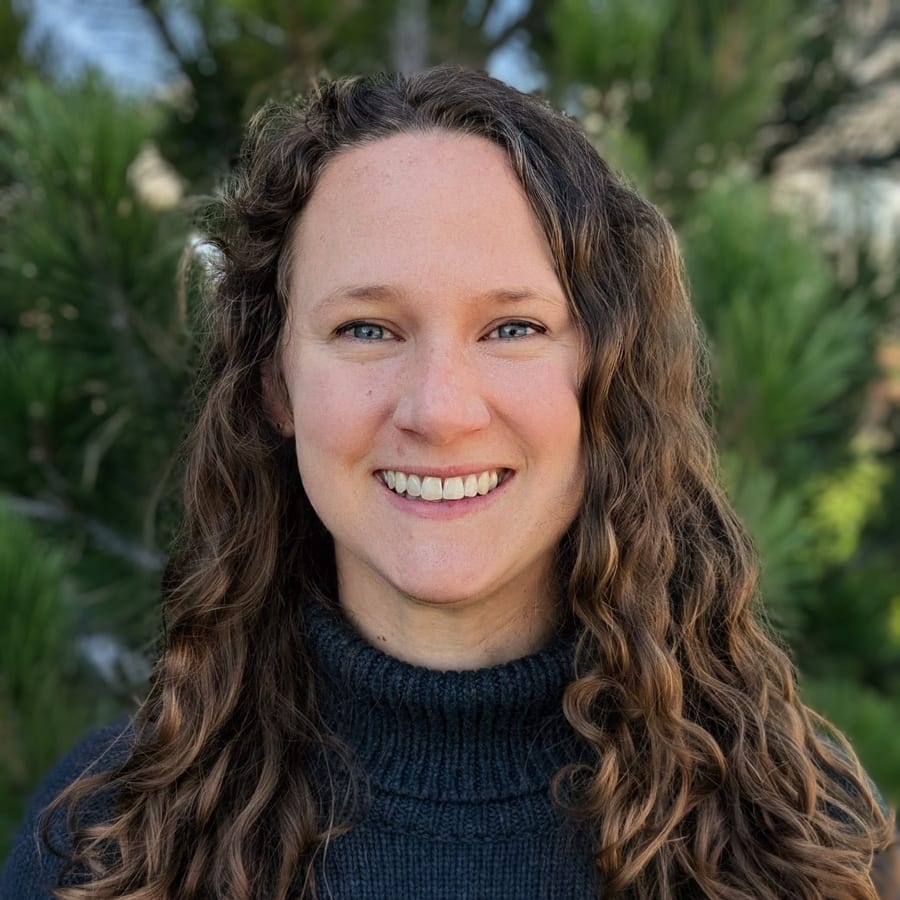
Portrait of Megan Pavez

Therapist

Megan Pavez · LPCC

ArvadaTelehealthWaitlist

Megan works from a person-centered foundation and supports LGBTQIA+ clients, people with marginalized identities, geriatric mental health, neurodiversity, life transitions, and trauma triggers.

Works with teens and adults

  • LGBTQIA+ support
  • Life transitions
  • Trauma
  • Geriatric mental health
  • Neurodiversity

Hello. I’m a Licensed Professional Counselor Candidate (LPCC) with my MA degree in Counseling Psychology from the University of Denver. I primarily work through a person-centered approach, as I believe the client/counselor relationship is one of the most foundational aspects of the therapeutic process.

I also have experience incorporating CBT, DBT, ACT, mindfulness based interventions, Internal Family Systems, and attachment theory.

I am passionate about working with LGBTQIA+ individuals and others with marginalized identities. I enjoy working with individuals throughout life’s many transitions, whether discovering new identities, job shifts, family or relationship structure changes, retirement and beyond. I am also committed to helping clients work through trauma and its triggers to decrease the impact on their daily lives.

Portrait of Lily Shapcott

Therapist

Lily Shapcott · LPCC

Telehealth onlyWaitlist

Lily works with complex trauma, LGBTQIA+ clients, medical complexity or disability, challenging family dynamics, and late-diagnosed neurodiversity.

  • Complex trauma
  • LGBTQIA+
  • Neurodiversity

Have you suffered trauma(s) throughout your life? Do you feel like you are living in a state of constant stress? Did you have a strained family dynamic? I work with complex trauma, LGBTQIA+, medical complexity/disability, and individuals dealing with challenging family dynamics to heal from chronic freeze or fawn states so that they can experience the full spectrum of their emotions and discover their purpose and meaning after Adverse Childhood Experiences (ACEs) and other traumas.

I also work with neurodiversity, and adults who are late diagnosed to help them best understand the brain they have, and how they can work with it as it currently exists.

Hi, I’m Lily. I graduated with my MA in counseling psychology from the University of Denver, and am an LPCC in Colorado. My passion lies in accessible therapy and helping clients embrace the brain and body they have. As a relational psychodynamic therapist, I believe that the relationship between myself and my client is the most important component of therapeutic success.

With a foundation of solid rapport, I provide the space for trauma processing, establishing values, creating and implementing coping strategies, and engaging with the full range of your emotions to find purpose and meaning in the life you have.

I believe in treating the problem and the symptoms. I am dedicated to helping you heal and grow into your authentic and healthy self, regardless of what you have experienced in the past. You deserve to live the life you want and have the life you need.

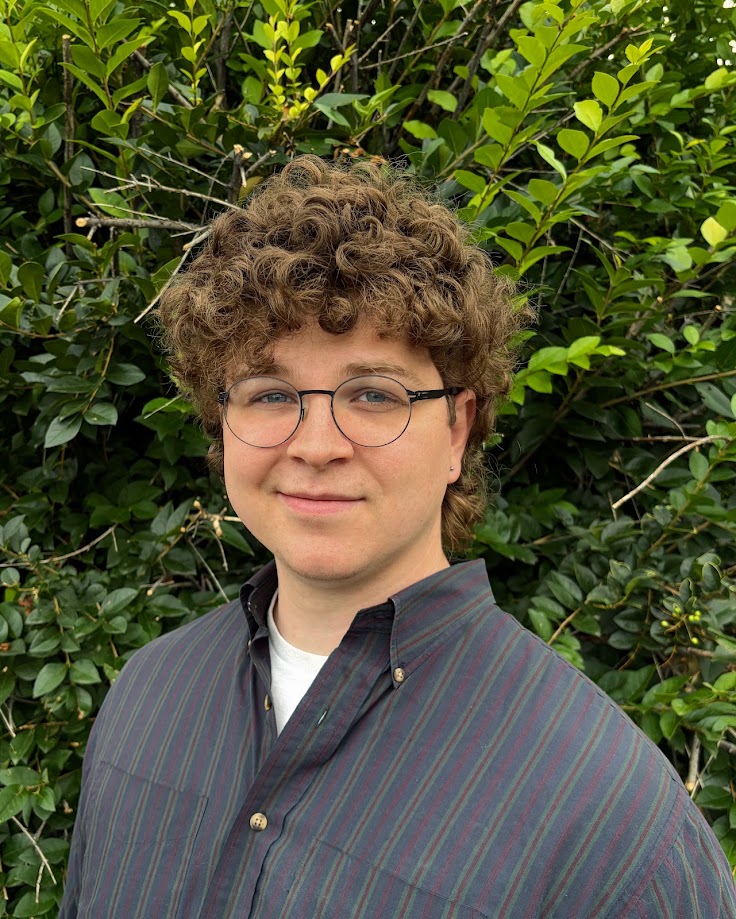
Portrait of Fenton Lawler

Therapist

Fenton Lawler · LSW

Capitol HillArvadaTelehealth

Fenton supports children and adults navigating complex trauma, anxiety, depression, and relational stress with a warm, collaborative approach that affirms neurodiversity and recognizes the impact of trauma.

Works with children and adults

  • Complex trauma
  • Suicidal thoughts
  • Anxiety
  • Depression
  • Relational stress
  • Neurodiversity

Hi, I’m Fenton! I’m a trauma and neurodiversity-affirming therapist for adults and kids navigating complex trauma, suicidal thoughts, anxiety, depression, and relational stress. I’m especially passionate about working with autistic and ADHD folks and the LGBTQIA+ community.

With my background in mental health crisis work, I am comfortable sitting with you in the hard moments. I won’t ask you to mask or minimize what you’re experiencing. My style is warm, collaborative, and grounded in validation, honesty, and humor. My goal is to help you build a meaningful life and be present with you in moments that feel like no one else could.

My work draws primarily from DBT, IFS, somatic work, and existential therapy. We might explore your thoughts and emotions, notice what’s happening in your body, or understand the different parts of you that are trying to protect you. Before becoming a therapist, I worked as an electrical engineer. That background still shapes how I work: I’m curious about why your patterns developed and how your relational, cultural, and developmental history has shaped you.

I offer in-person therapy in Arvada and Denver, as well as telehealth across Colorado. Reach out for a 20-minute consultation to see whether we might be a good fit.


Questions about LGBTQIA+ Affirming Therapy.

Do I need to be out or certain about my identity?

No. You are welcome whether you have language for your identity, are questioning, or prefer not to use labels. You choose what to share and when.

Does therapy have to focus on my identity?

No. Your goals guide the work. You can seek support for relationships, anxiety, depression, grief, or other concerns with a clinician who respects your identity.

What does affirming care mean?

Affirming care respects your gender, sexuality, pronouns, and relationships. The goal is to support your well-being and self-understanding, not to change who you are.

Can I meet with a therapist online?

Secure telehealth is available across Colorado when clinically appropriate. A consultation can help confirm clinician availability, privacy needs, and whether the format fits your goals.

Talk with us about LGBTQIA+ affirming therapy.

Tell us what you would like support with and whether you prefer Denver, Arvada, or telehealth.