Couples counseling in Denver and Arvada

Practical, trauma-informed support for romantic partners navigating communication, recurring conflict, trust, connection, intimacy concerns, or major life changes.

Two partners speaking with a therapist in a comfortable counseling office.

Overview

What is couples counseling?

Couples counseling gives partners a structured place to slow down conversations, understand recurring patterns, and practice responding to each other with more clarity. The work can include communication, conflict, trust, closeness, intimacy concerns, family context, and changes that are putting strain on the relationship.

Gravity Counseling also welcomes other close relationships when the clinician, goals, and format are a good fit. Sessions are collaborative and trauma-informed, with attention to each person's experiences, boundaries, culture, identity, and sense of safety.

Considering couples counseling?

A free consultation can help you ask questions, describe what is happening, and learn about clinician matching, scheduling, and format.

Request a consultation

When may couples counseling help?

  • You keep returning to the same conflict without finding a workable way through it.
  • Communication turns into escalation, withdrawal, defensiveness, or misunderstanding.
  • Trust, connection, affection, or intimacy has become harder to navigate.
  • A major transition is changing roles, routines, priorities, or expectations in the relationship.

What to expect

What this work can support.

Communication and recurring conflict

Sessions can help partners notice the cycle beneath repeated arguments, name what each person needs, and practice more direct, respectful communication.

Trust, connection, and intimacy

Couples may bring concerns about emotional distance, ruptures in trust, affection, sex, desire, or other forms of closeness that feel difficult to discuss alone.

Transitions and relationship patterns

Therapy can make room for changes involving family, parenting, work, health, identity, grief, commitment, or the future of the relationship.

A grounded start.

  1. 01

    Start with a consultation

    Share what is bringing you in, your scheduling needs, preferred location or telehealth format, and any questions about beginning together.

  2. 02

    Find a clinician match

    The practice considers the relationship goals, clinician experience, availability, format, and whether joint sessions are an appropriate starting point.

  3. 03

    Build a shared focus

    Early sessions clarify the concerns, each person's perspective, and what both partners want from the work. Your clinician then helps shape a plan and pace for ongoing sessions.

Your care team

Explore our couples counseling providers.

Not sure who is the right fit? A free consultation can help match your relationship goals, scheduling needs, and preferred format with an available clinician.

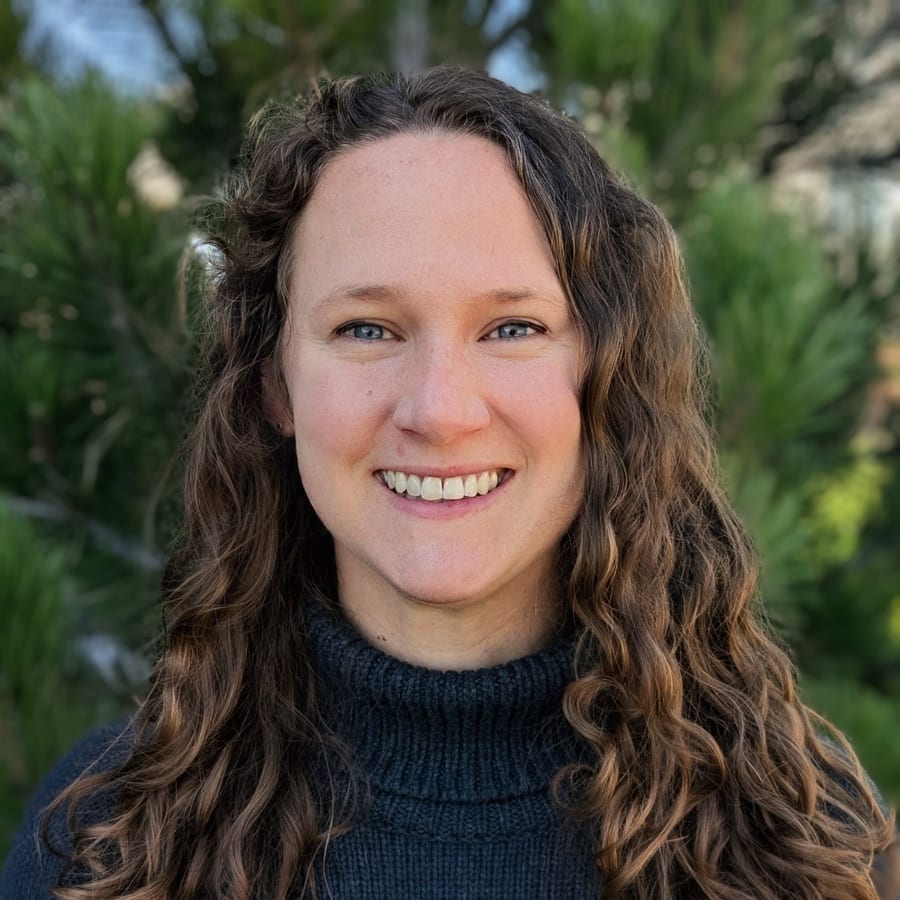
Portrait of Judy Watts

Therapist and Clinical Director

Judy Watts · LCSW, CSAT

Judy is a licensed clinical social worker with training in EMDR and certification in sex addiction therapy.

  • Substance use
  • Trauma
  • EMDR

I am a licensed clinical social worker. My professional experience includes working with populations struggling with substance use and trauma. I also have experience working with those involved in the criminal justice system.

I prefer to utilize a client-centered, interpersonal approach in the therapeutic relationship, with training in EMDR and certification in sex addiction therapy. I am also a Certified Clinical Trauma Professional and Certified Grief Informed Professional.

I prefer to utilize a number of different therapeutic modalities in sessions, such as DBT, CBT, attachment, narrative, etc. I believe in the importance of finding the right coping skills and in the importance of self-care. I also feel it is important to have an interpersonal experience within the therapeutic relationship.

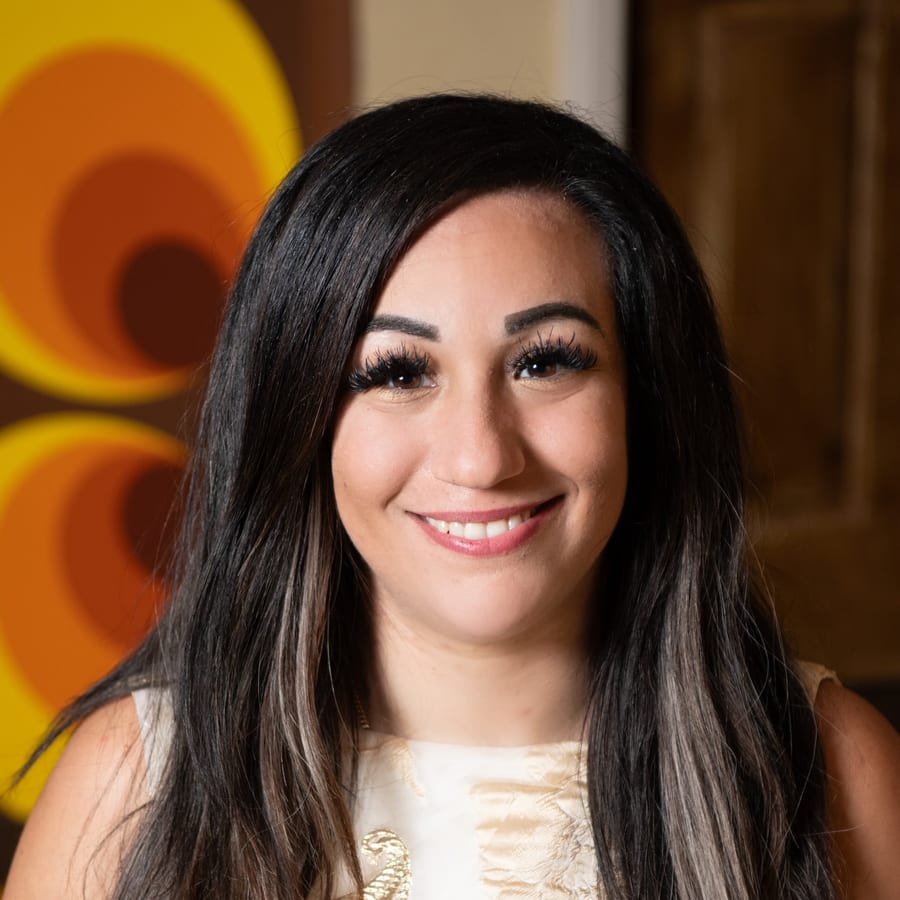
Portrait of Merissa Pratt

Therapist

Merissa Pratt · LPC

Merissa's approach is trauma-informed and intersectional, with attention to culture, race, sexual orientation, gender identity, family systems, and attachment.

Works with children, teens, and adults

  • Trauma-informed care
  • Identity and intersectionality
  • Family systems

As a queer, bi-cultural woman my approach is trauma informed and intersectional, focusing on compounded challenges such as cultural background, race, sexual orientation, and gender identity. We will also focus on family systems and attachment styles.

Together we will work to change patterns and defense mechanisms that may no longer serve you. We will creatively bring unconscious material into awareness offering a more balanced relationship with your Self, while integrating parts of you that have been abandoned, neglected, or forgotten.

I take a creative, strengths and values based approach while incorporating cultural awareness and mindfulness-based practices. Depending on our goals I will utilize a range of modalities including CBT, DBT, ACT along with artistic mediums and transpersonal practices: dreams, symbolism, metaphor, and creative writing.

Portrait of Mariam Habashi

Therapist

Mariam Habashi · MFTC

Mariam walks alongside individuals, couples, and families as they explore growth, healing, connection, insight, compassion, and understanding.

Services in Arabic

Works with children, teens, and adults

  • Relationships
  • Couples therapy
  • Marriage
  • Family systems
  • Insight-oriented therapy

From a young age, I’ve known that helping others would be at the heart of my life’s work, but how I help people matters most. As a Marriage and Family Therapy Candidate, I’m passionate about walking alongside individuals, couples, and families as they explore growth, healing, and connection. I believe that meaningful change begins with insight, compassion, and understanding.

My approach is warm, relational, and insight-oriented. I strive to create a safe, supportive space where clients feel seen and heard as they process emotions and experiences at their own pace. I value authentic validation and believe that healing happens when we allow space for vulnerability, curiosity, and self-discovery.

I am especially drawn to systemic and process-oriented therapy, which helps uncover the deeper patterns, cycles, and intergenerational influences that shape relationships. Together, we work to understand these dynamics and nurture healthy, lasting change that extends beyond surface-level solutions.

I view therapy as a collaborative and empowering journey rooted in trust, empathy, and authenticity. My goal is to help clients reconnect with their strengths, embrace balance, and rediscover hope and resilience within themselves and their relationships.

Portrait of Jiahui "Kory" Li

Therapist

Jiahui "Kory" Li · LPCC

Kory supports children, teens, adults, individuals, and couples with emotional regulation, relationships, anxiety, depression, trauma-related concerns, relapse prevention, and behavioral management.

Services in Mandarin

Works with children, teens, and adults

  • Emotional regulation
  • Relationships
  • Trauma
  • Anxiety and depression
  • Relapse prevention

I view growth as a process of returning to ourselves through healing. Even when we have passed through darkness or felt stuck, we remain autonomous beings deserving of safety, belonging, and empowerment. My work is grounded in an IFS, mindfulness-based, person-centered approach, integrating evidence-based interventions such as CBT, DBT, ACT, and others.

I support children, teens, adults, individuals, and couples navigating emotional regulation, relationship challenges, anxiety, depression, trauma-related concerns, relapse prevention, and behavioral management. Together, we create space within body and mind for meaning, hope, and transformation.

Throughout my journey, I have experience working with diverse populations across the lifespan in a range of clinical settings, including individuals with disability, behavioral concerns, and neurodivergence. I also welcome supporting persons to assist human growth during session. As a BIPOC queer therapist, I also bring a bilingual multicultural lens to session with particular care for BIPOC, LGBTQIA+, and immigrant clients.


Questions about Couples Counseling.

Do we need to be married to come to couples counseling?

No. Couples counseling can support romantic partners across different relationship structures, identities, and stages of commitment.

Do you work with LGBTQIA+ couples?

Yes. Gravity Counseling welcomes LGBTQIA+ couples and partners across diverse relationship identities and structures. A consultation can help match you with a clinician whose approach and experience fit what you want support with.

Can we start even if we disagree about the problem?

Yes. Partners often arrive with different views of what is happening. Early sessions can help clarify each person's perspective and identify a workable shared focus without requiring identical explanations.

Can couples counseling happen through telehealth?

Yes. Gravity Counseling provides couples counseling by secure telehealth across Colorado. Availability and clinical fit depend on privacy, safety, technology, and clinician judgment.

Will the therapist take one person's side?

The clinician's role is to understand the relationship pattern and each person's experience, not to declare a winner. They may still name behaviors, boundaries, or safety concerns directly when needed.

Can another close relationship be considered?

Possibly. Although this service is primarily for romantic couples, another close relationship may fit depending on the people involved, the goals, clinician experience, and the most appropriate session format.

Is couples counseling appropriate when there are safety concerns?

If coercion, threats, intimidation, or immediate safety concerns are present, couples counseling may not be appropriate. Share those concerns during a private consultation so the practice can discuss safer next steps. If anyone is in immediate danger, contact emergency services or a local crisis resource.

Talk with us about couples counseling.

Reach out with what you hope to work on, your scheduling needs, and whether you prefer Denver, Arvada, or telehealth.